

Nepal, home to some of the world's most breathtaking trekking routes, offers a diverse range of experiences for trekkers. From the iconic Everest Base Camp trek to the remote Upper Mustang region, each trek requires specific permits and fees. This comprehensive guide will walk you through everything you need to know about trekking permits in Nepal, including entry fees, restricted area permits, and other essential information.
Trekking Permits in Nepal
At first, we have to understand how many trekking permits are there in Nepal and what are they. There are majorly 4 trekking permit and they are listed below:
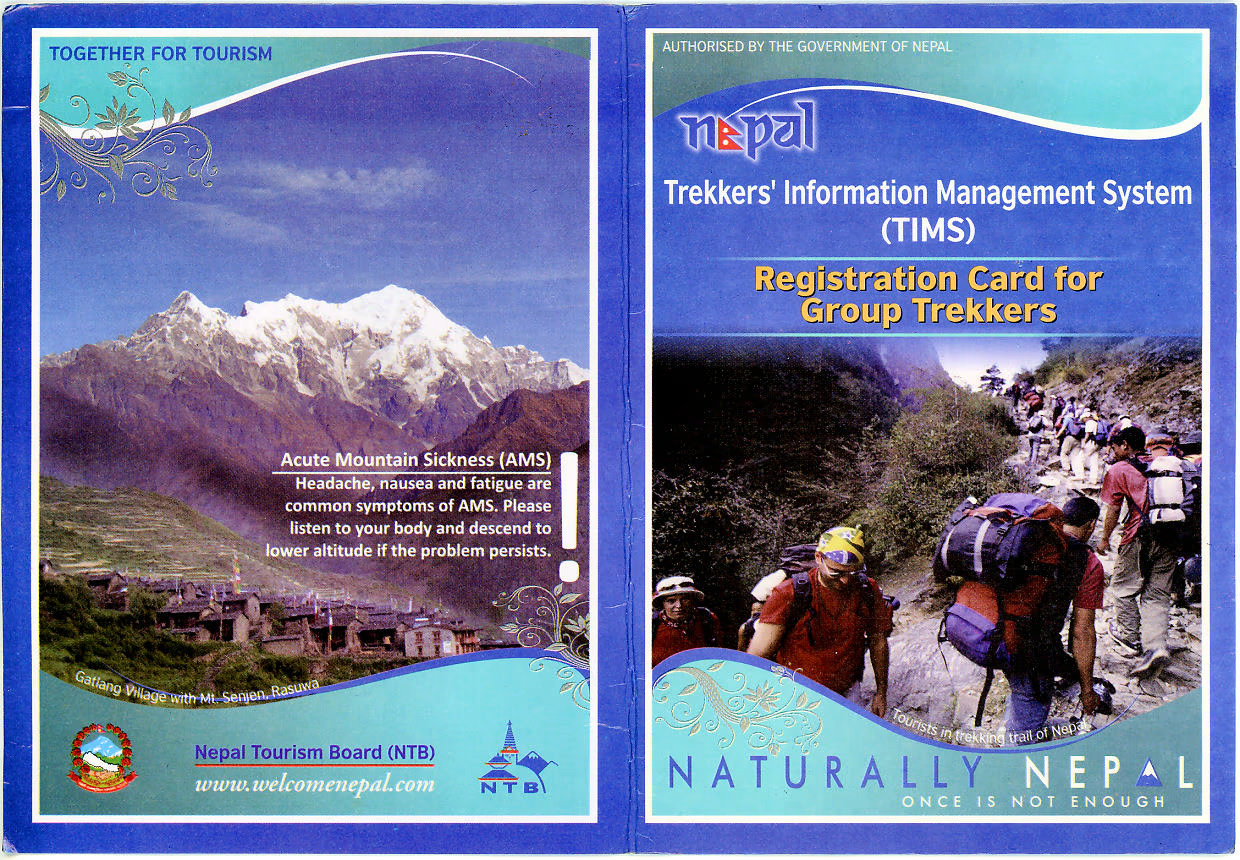
TIMS Card
The TIMS card is a mandatory permit for most treks in Nepal. It helps the government keep track of trekkers and ensure their safety.

TIMS card (Trekkers' Information Management System) for Nepal trekking with Everest, Annapurna, and Langtang region permits
National Park Entry Permit
There are many treks located in National Parks like Treks done in Langtang Region and in Everest Region. So, for the treks that are located in National Parks requires a National Park Entry Permit on Top of Tims Card.

Nepal National Park Entry Permit for Langtang National Park with QR code and official stamp.
Conservation Area Permit
Besides, National Parks there are many treks located in Conservation Area Like Treks done in Annapurna Region and in Manaslu Region. To trek inside these Conservation Area we need to get Conservation Area Permit like ACAP for Annapurna Region and MCAP for Manaslu Region.

Nepal Conservation Area Permit (CAP) document for Annapurna, Manaslu, and Kanchenjunga trekking regions.
Restricted Area Permit
There are some region in Nepal that require Restricted Area Permit. The region being safety to our neighbouring countries like China and India. Some treks that require this permits are Manaslu Circuit Trek, Upper Dolpo Trek, Upper Mustang Trek and Kanchenjung Circuit/Base Camp Trek.

Nepal Restricted Area Permit (RAP) document for trekking in Manaslu, Upper Mustang, and Dolpo regions.
Trekking permit cost in Nepal
Cost of Tims Card:
The cost of Tims Card is Npr 2000 or $20 and is always same for all the trek and is need to do any trek in Nepal. For SAARC members it is only Npr 300.
Cost of National Park Entry Fee:
The cost of almost all National Park fee in Himalayan and Hilly region is around $30. This is not the case for Bardiya N.P, Chitwan N.P and other in the Terai region.
Cost of Conversation Area Fee:
The cost of all the Conservation Area Fee is around 30$.
Cost of Restricted Area Permit:
This is a messy and cannot be explained here and will be listed in the table below as each trek and region has different fees and some might not need at all so please scroll below for full details.
What Permits are needed to Trek in Nepal ?
The table below explains trekking permits in Nepal needed to Trek in Nepal for different type Treks:
| Name of Treks | Tims Card | National Park Fee | Conservation Area Fee | Restricted Area Fee |
| Everest Base Camp Trek | $20 | $30 + 3000Npr for Local permit | N/A | N/A |
| Annapurna Circuit Trek | $20 | N/A | $30 | N/A |
| Langtang Valley Trek | $20 | $30 | N/A | N/A |
| Upper Mustang Trek | $20 | N/A | $30 | $500(10 days) |
| Manaslu Circuit Trek | $20 | N/A | $30(MCAP)+ $30(ACAP) | $100(7 days) |
| Tsum Valley Trek | $20 | N/A | $30 | $40 (7 days) |
| Kanchenjunga Base Camp and Circuit Trek | $20 | $30 | N/A | $20 (7 days) |
| Upper Dolpo Region Trek | $20 | $30 | N/A | $500 (10 days) |
| Mardi Himal Trek | $20 | N/A | $30 | N/A |
| Poon Hill Trek | $20 | N/A | $30 | N/A |
| Narphu Trek | $20 | $30 | N/A | $90 (7 days) |
| EBC + Gokyo Trek | $20 | $30 + 3000 Npr for Local permit | N/A | N/A |
| Three Pass Trek | $20 | $30 + 3000 Npr for Local permit | N/A | N/A |
Where to get different Trekking Permits in Nepal?
The Conservation Area Permit (CAP) for Annapurna or Manaslu regions can be obtained from NTB offices in Kathmandu and Pokhara. For national parks like Everest, the National Park Permit is issued at the park entry points or DNPWC in Kathmandu. TIMS (Trekkers’ Information Management System) Card is also available at NTB offices. For restricted areas like Upper Mustang, Tsum Valley or Nar Phu, RAP (Restricted Area Permit) can only be arranged through a registered trekking agency and not for individual trekkers. Nepal Tour and Trek will help to arrange all necessary permits according to your trek, making the process easy and trouble free.
Some Trek From Nepal Tour and Trek
Poon Hill Trek-7 days

The Poon Hill Trek is a popular short trek in the Annapurna region, offering stunning sunrise views over the Annapurna and Dhaulagiri mountain ranges.
Manaslu Circuit Trek

The Manaslu Circuit Trek is a remote and spectacular adventure, offering stunning views of Mt. Manaslu (8,163m) and the diverse landscapes of the Himalayas.
Faq's about Trekking Permits in Nepal ( How to get Trekking permit and more)
Yes, most trekking routes in Nepal require permits. The type of permit depends on the region you are trekking in, such as TIMS cards, National Park permits, or Restricted Area permits.
A TIMS (Trekkers' Information Management System) card is mandatory for most treks in Nepal. It helps the government track trekkers and ensure their safety.
The TIMS card costs $20 for individual trekkers and $10 for trekkers in a group organized by a registered trekking agency.
This permit is required for treks that pass through national parks, such as Sagarmatha National Park (Everest region) or Langtang National Park. The fee is $30.
Yes, for treks in conservation areas like the Annapurna Conservation Area, you need a Conservation Area Permit, which costs $30.
Restricted Area Permits (RAP) are required for remote and culturally sensitive regions like Upper Mustang, Manaslu, and Tsum Valley. Fees vary depending on the area and duration.
Fees range from $50 to $500, depending on the region and the number of days. For example, Upper Mustang costs $500 for 10 days.
Yes, most permits should be obtained in Kathmandu or Pokhara. However, Restricted Area Permits must be arranged through a registered trekking agency via Immigration Office Kathmandu.
Yes, trekking in restricted areas like Upper Mustang and Manaslu requires a licensed guide.
Yes, SAARC nationals receive discounts on National Park and Conservation Area permits.
Most permits are valid for the duration of your trek. Restricted Area Permits are issued for a specific number of days.
Yes, permits can be extended by visiting the Nepal Tourism Board or the respective permit office and paying an additional fee.
You need a valid passport, passport-sized photos, and the required fees. For restricted areas, you also need a trekking agency's confirmation.
No, trekking without a permit is illegal and can result in fines or being denied entry and banned.
Permits can be obtained at the Nepal Tourism Board in Kathmandu or Pokhara, or at the respective national park or conservation area entrance.
Yes, your permits will be checked at various checkpoints along the trekking route.
If you lose your permit, you must report it to the nearest police station or permit office and apply for a replacement. But Agency will have a copy so we can just send them a photo or make it work via call.
No, trekking permits are non-refundable once issued.
No, there are no age restrictions for trekking permits. However, children under 10 may receive discounts in some areas.
No, each trek requires its own set of permits. For example, the Everest Base Camp Trek and Annapurna Circuit Trek require separate permits.
Read some of our other Blogs
Pikey Peak Trek

At 4,065m, Pikey Peak (Peaky Peak) offers what many consider the best sunrise view of Everest outside of Everest Base Camp itself. Unlike the crowded Poon Hill trek...
Climbing Everest In one week

One of the most intriguing technological advancements enabling the possibility of climbing Everest in one week is Xenon gas. This hypothetical oxygen supplement is designed to enhance acclimatization.
To get trekking permits in Nepal, you must obtain the necessary documents before starting your adventure. For trekking Everest in Nepal, permits like the Sagarmatha National Park Entry Permit and the Khumbu Pasang Lhamu Rural Municipality Permit are required. Generally, trekking in Nepal permits vary depending on the region—popular areas like Annapurna and Langtang also require TIMS (Trekkers’ Information Management System) cards and conservation area permits. The trekking permit cost in Nepal ranges from 20to20to50 per person, with additional fees for restricted zones. Permits can be obtained in Kathmandu or Pokhara at the Nepal Tourism Board or authorized agencies. Always carry your permits, as checkpoints along the trails may verify them. Proper permits ensure safety, support local conservation, and enhance your trekking experience in Nepal’s breathtaking Himalayas.