


Conquering Mount Everest in One Week: A Historic Moment in Mountaineering
In a groundbreaking achievement, a team of British soldiers summited Mount Everest in just one week, redefining the ways of climbing a Mountain all over the world. This extraordinary expedition, completed in May 2025, utilized an innovative xenon gas acclimatization technique, slashing traditional climbing timelines. For adventure enthusiasts and Nepal tour seekers, this feat showcases the thrill and innovation driving modern mountaineering. Join us as we explore how this climb happened, its legality, its impact on the mountaineering community, and whether such daring attempts should become the norm.
The One Week Everest Climb: How It Happened
The journey to summit Mount Everest in a mere seven days is a testament to meticulous planning, cutting-edge technology, and sheer determination. Here’s how the British soldiers made history on this Nepal trekking expedition.
Planning and Preparation
The team, comprised of former special forces troops, underwent a rigorous three-month acclimatization program in simulated high-altitude conditions before arriving in Nepal. Unlike traditional methods requiring weeks on the mountain, they used xenon gas to enhance oxygen efficiency in their bodies, allowing rapid adaptation to extreme altitudes. This innovative approach, pioneered by expedition leader Lukas Furtenbach, minimized exposure to high-altitude risks. Their preparation also included specialized gear, lightweight equipment, and precise weather forecasting to optimize the climb window.

The One Week Everest Climb Itself
Starting from Everest Base Camp, the expedition set off to climb up via the South Col route that passes for a popular yet complicated path. A week-long timeline required some relentless pacing and utmost execution. They encountered muggy weather, placed with high winds, and passed through tricky sections such as the Icefall on Khumbu. Planned and executed safely and speedily with the use of supplementary oxygen and Sherpa support, the speed climbing being done in record time. This accomplishment brings forth the trends of speed climbing techniques on Mount Everest, much to the interest of Nepal trekking enthusiasts.

Khumbu Icefall leading to Everest Expedition
Role of Support
Sherpas were another crucial element in guiding the climbers and managing their logistics. Heavily dependent on the local expertise, the expedition highlights the crucial role of the Sherpa community of Nepal in an Everest venture. The incorporation of technology, real-time weather data, and xenon gas systems into the operations in turn ensured their success. Thus, the marriage of human skill with technological innovation has set a big benchmark for Nepal operators providing high-altitude Expeditions.
Is Climbing Everest in One Week Legal?
A common concern in the Mountaineering world is either it is illegal or legal to scale Mount Everest in one week. According to Nepal's mountaineering law, administered by the Ministry of Tourism, climbers must hold a permit, which costs roughly $11,000 per person for foreigners. Such permits, however, do not specify exact durations for climbs; hence, the one-week ascent is legally permitted. The application of xenon gas, on the other hand, although certainly not illegal, has stirred safety and ethical considerations. The team followed laws concerning the environment, including removing waste, and thereby conformed to Nepal's stringent regulations. As it is perfectly legal, there are voices against quick-ascent climbs, citing that these could undermine safety standards outweighed by Nepal trekking operators emphasizing climber welfare.
What Does This Mean for the Mountaineering Community?
This Flash Expedition has sent ripples through the mountaineering world, with implications for both climbers and Nepal’s Mountaineering Industry .
Pushing Boundaries
The one week ascent challenges the traditional 6 to 8 week Everest climbing timeline, proving that with advanced technology and preparation, experienced climbers can achieve the impossible. This feat inspires seasoned mountaineers to explore new techniques, such as xenon gas acclimatization, potentially revolutionizing high-altitude climbing.
Impact on Nepal Tourism
The expedition highlights Nepal’s status as a premier destination for adventure tourism. However, Damber Parajuli, president of the Expedition Operators Association of Nepal, warns that shorter climbs could reduce the time climbers spend in the region, impacting local economies dependent on extended stays. Conversely, this achievement could attract thrill seekers to Nepal, boosting demand for specialized speed Expedition packages.
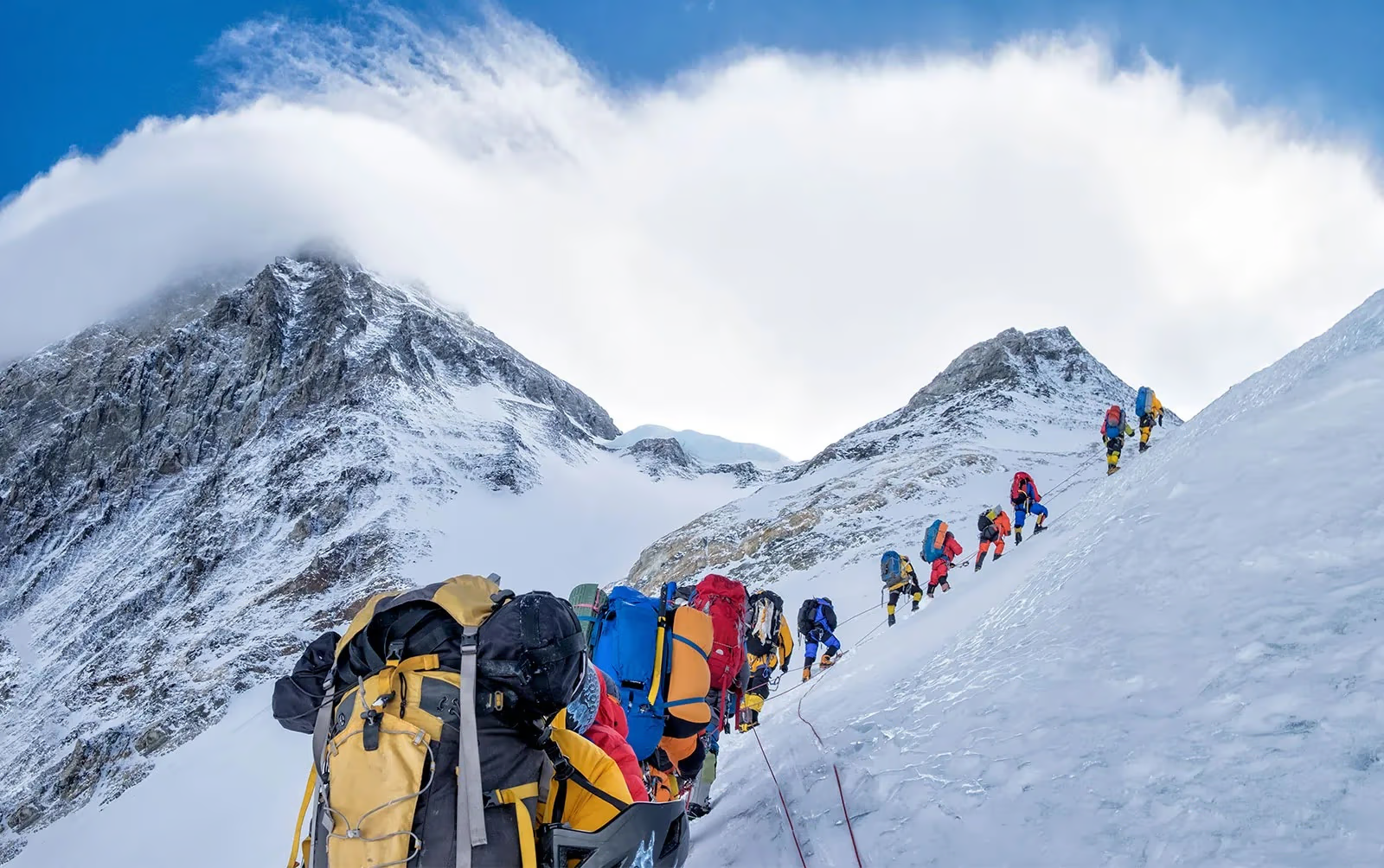
Traffic During Everest Expedition
Debate Within the Community
The mountaineering community is divided. Some praise the innovation and courage, while others fear it fuels commercialization, potentially trivializing Everest’s spiritual and physical significance. Critics argue that rapid climbs increase risks and environmental strain, prompting calls for stricter regulations.
Should Climbers Attempt One Week Everest Climb?
The excite of a one-week Everest climb is undeniable, but is it advisable?
Risks and Dangers
Rapid ascents heighten risks like acute mountain sickness, cerebral edema, and frostbite due to limited acclimatization time. Even with xenon gas, climbers face extreme physical and mental demands. The shortened exposure to high altitudes reduces some risks, but only elite climbers with rigorous training can safely attempt it.
Ethical Considerations
Speed climbing raises ethical questions. Some argue it disrespects Everest’s cultural significance to Sherpa communities and prioritizes records over reverence. Environmental concerns, such as potential littering in rushed climbs, also spark debate. Sustainable mountaineering practices are crucial to preserve Nepal’s pristine landscapes.
Who Should Try One Week Everest Climb?
This approach suits only highly experienced climbers with exceptional fitness and access to advanced technology. For most, traditional treks like the Everest Base Camp trek offer a safer, equally rewarding experience. Also, the tech isn't full proof so it might be better to go on 42 days Expedition rather than One week Everest Climb. Nepal tour and trek recommends thorough preparation and guided expeditions for all adventurers even if it is juts a Trek.

Man Crossing Crevasse in Everest Expedition
Lessons from the One Week Everest Climb
This historic climb teaches us the power of innovation, preparation, and resilience. The British soldiers’ success inspires adventure seekers to push their limits while respecting Nepal’s mountains. Whether you’re an elite climber or a novice trekker, Nepal’s trails offer unparalleled experiences. Plan your Nepal trekking adventure today and discover the magic of the Himalayas.
Plan Your Own Nepal Trekking Adventure
Ready to explore Nepal’s majestic peaks? From the iconic Everest Base Camp trek to the scenic Annapurna Circuit, our expert guides offer tailored Nepal tour packages for all skill levels. Experience the rich culture, breathtaking landscapes, and warm hospitality of Nepal. Contact us to start your journey!
Some Expedition We Offer in Everest Region
Lobuche Expedition

Lobuche East Peak Climb (6,119m) is an exciting adventure for people looking to conquer one of Nepal’s most renowned trekking peaks. Situated near the iconic Everest region, Lobuche is a challenging yet rewarding experience, ideal for those wanting to start climbing in Himalayas.
Ama Dablam Expedition

Ama Dablam(6,812m) is one of the most iconic and challenging climbs in the Himalayas. Known as the "Matterhorn of the Himalayas" for its striking, pyramid-shaped peak, it offers a thrilling adventure for experienced climbers.
Some Treks in Everest Region Offered by Nepal Tour and Trek
Everest Base Camp Trek - 12 days

The classic Everest Base Camp Trek in Everest region, a pilgrimage for mountain lovers. Witness breathtaking views of Everest and surrounding giants, immerse yourself in Sherpa culture, and experience the thrill of reaching the foot of the world's highest peak. A truly rewarding adventure.
Everest Base Camp + Gokyo lake

Experience the best of the Everest region with the Gokyo and Everest Base Camp trek. Witness stunning turquoise lakes, the majestic Gokyo Ri, and iconic Everest Base Camp.
Read some of our Other Blogs
The Ultimate Trekking Permit Guide

This comprehensive guide will walk you through everything you need to know about trekking permits in Nepal, including entry fees, restricted area permits, and other essential information.